(760) 951-5850 Mon to Fri, 9:00 am to 5:00 pm
v
Law Offices of James S. Terrell

Civil Rights Lawyer Practice Areas

Holding law enforcement accountable

The Law Offices of James S. Terrell is a civil rights law firm in Victorville, California. Its practice areas are police misconduct and false arrest, police shootings, excessive force, Taser injuries, police K9 attacks, and jail deaths and inmate civil rights, for clients in San Bernardino and Riverside Counties.

Contact Us Today

Share a few details and our office will reach out. Everything you send is kept confidential.

Practice areas
6 types of civil rights cases involving law enforcement
Office
15411 Anacapa Rd, Victorville, CA 92392
Serving
San Bernardino and Riverside Counties
Experience
More than 25 years of legal experience

What Is a Civil Rights Violation?


A civil rights violation happens when a government official, such as a police officer, sheriff's deputy or jail employee, uses their authority in a way that breaks the protections of the U.S. Constitution or California law. The most common examples involve unlawful arrests, unreasonable searches and force that goes beyond what a situation called for.

These protections come mainly from the Fourth Amendment, which guards against unreasonable searches, seizures and use of force, and the First Amendment, which protects speech, protest and the right to criticize the police. Federal civil rights law lets people bring claims against state and local officials who violate these rights while acting in an official role, and California adds protections of its own.

A civil rights lawyer helps you figure out whether what happened crosses that line, who is legally responsible, and how to pursue accountability through a government claim, negotiation or a lawsuit.

Our Civil Rights Practice Areas


Each practice area has its own page with more detail on how these claims work. Choose the one closest to your situation, or read the overview of all six below.

A Closer Look at Each Type of Case


Police Misconduct and False Arrest

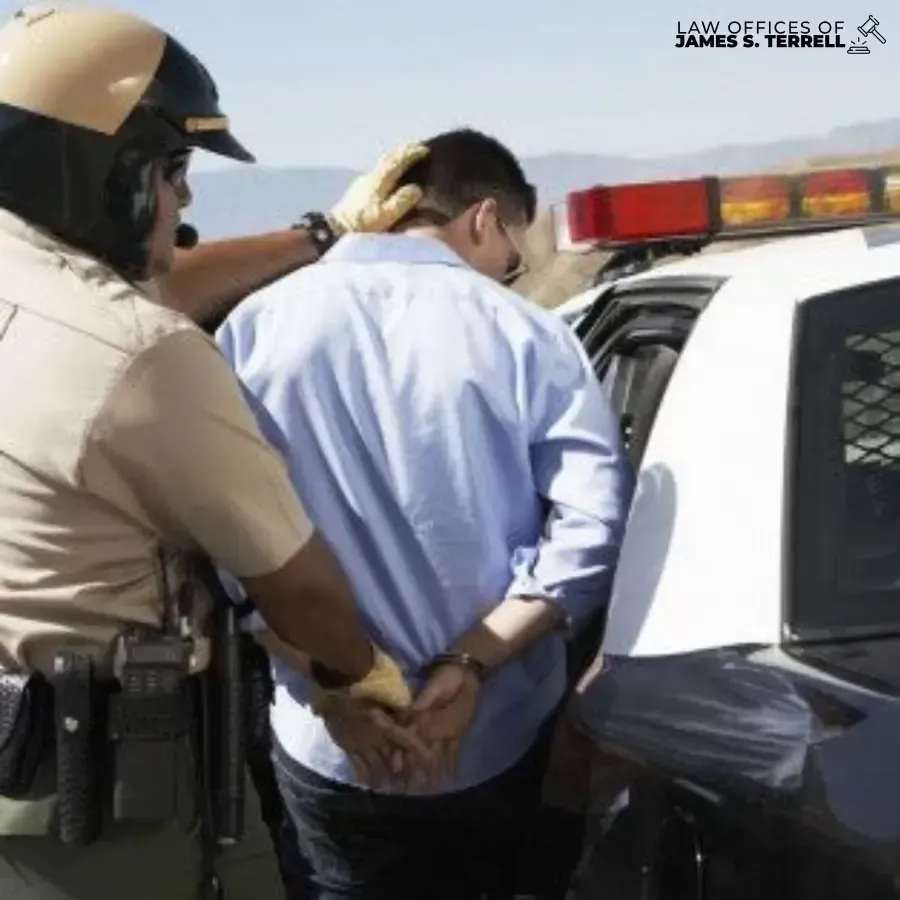
Police misconduct covers any abuse of police authority that violates a person's rights. False arrest is one of the most common forms: taking someone into custody without probable cause, holding them longer than the law allows, or making an arrest based on a fabricated report.

Often involves: unlawful stops and detentions, racial profiling, false reports, retaliation for protected speech.

Police misconduct and false arrest cases

Police Shooting Cases

Officers may only use deadly force in narrow circumstances. When a shooting was not justified by an immediate threat, the person who was injured, or the family of someone who was killed, may have a claim against the officer and the agency.

Often involves: body camera and dash camera footage, use of force policies, witness accounts, autopsy and medical records.

Police shooting cases

Excessive Force by Police Officers

The law allows officers to use only the force that is reasonable for the situation. Beatings, chokeholds, violent takedowns and force used on someone who is already restrained or not resisting can all be excessive force under the Fourth Amendment.

Often involves: broken bones, head injuries, injuries during an arrest or after handcuffing.

Excessive force cases

Taser Abuse Causing Serious Injury

A Taser is a significant use of force. Repeated shocks, use on someone who is restrained or not a threat, and use on people at higher risk can lead to falls, burns, heart problems and other serious injuries.

Helpful reading: what to do if you were wrongfully tased by police.

Taser abuse cases

Police K9 Attacks

Police dogs can cause deep bite wounds, nerve damage and scarring. A K9 deployment can be excessive force when the dog was released on someone who was not a threat, was not fleeing, or was not given a chance to surrender.

Helpful reading: bitten by a police dog: know your rights.

Jail Deaths and Inmate Civil Rights

People held in jail keep important constitutional rights, including protection from abuse and access to needed medical care. When someone dies or is seriously harmed in custody, their family may be able to bring a civil rights claim against the jail or the agency that runs it.

Often involves: denied medical care, violence by staff or other inmates, failures to monitor people at risk.

How to Tell If You May Have a Civil Rights Claim


Every case depends on its facts, but most civil rights claims involving law enforcement come down to three questions. If you can answer yes to all three, it is worth talking with a civil rights lawyer.

Call (760) 951-5850 to talk through your situation.

  1. Was it a government official?

    A police officer, sheriff's deputy, jail employee or other public employee acting in their official role.

  2. Was a right violated?

    An arrest without probable cause, an unlawful search, unreasonable force or another breach of your constitutional rights.

  3. Were you harmed?

    Physical injury, time in jail, lost income, emotional distress or the loss of a family member.

  4. Not sure?

    If you are unsure whether what happened was legal, that is a normal place to start. A conversation with our office can help sort it out.

Civil Rights Representation Across the Inland Empire


Our office is in Victorville, and we take civil rights cases throughout San Bernardino County and Riverside County, including Victorville, Hesperia, Apple Valley, Adelanto, San Bernardino and Riverside. Learn more about our work as a civil rights attorney in San Bernardino, or read about Attorney James S. Terrell.

Civil Rights Practice Area Questions


What does a civil rights lawyer do?

A civil rights lawyer represents people whose constitutional or legal rights were violated by a government official. In police cases, that means investigating what happened, gathering evidence such as video and reports, identifying the officers and agencies responsible, and pursuing accountability through a government claim, negotiation or a lawsuit.

How is a civil rights claim different from a personal injury claim?

A personal injury claim is usually about carelessness, such as a car accident. A civil rights claim is about a government official violating your constitutional rights, such as an unlawful arrest or excessive force. Civil rights cases against public agencies also have their own procedures, including formal claim requirements and filing deadlines.

Can I bring a civil rights claim if I was arrested or charged with a crime?

Often, yes. Being arrested or charged does not give officers permission to use excessive force or violate your other rights. Pending criminal charges can affect the timing and strategy of a civil case, so it helps to talk with a lawyer about both. Our article on suing for Taser abuse after an arrest covers one common situation.

Can a family bring a claim after a police shooting or a death in custody?

In many cases, yes. Close family members may be able to bring claims for the loss of a loved one, and the estate may be able to pursue claims the person could have brought. Who can file depends on the family relationship and the type of claim.

Does the firm handle other kinds of civil rights cases?

The firm's practice focuses on civil rights cases involving law enforcement and jails. If your situation involves a different kind of civil rights issue, call the office at (760) 951-5850 and ask whether it is something the firm can help with.